
Pelvic Health
Pelvic Floor Assessment
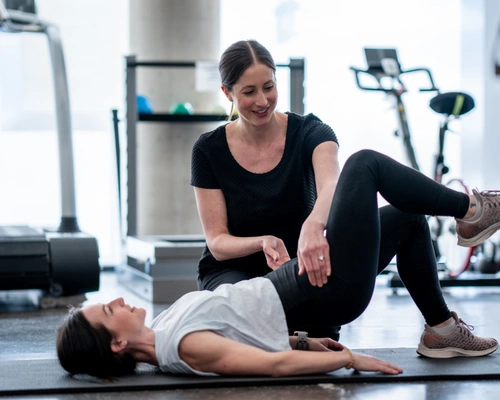
A detailed assessment helps identify pelvic floor muscle function, breathing patterns, movement strategies, and contributing factors so care can be tailored to your needs.
Struggling with pelvic pain, bladder leaks, or discomfort that's affecting your daily life? Our Abbotsford physiotherapists offer one-on-one pelvic floor therapy tailored to your symptoms, so you can move, exercise, and live with confidence again.
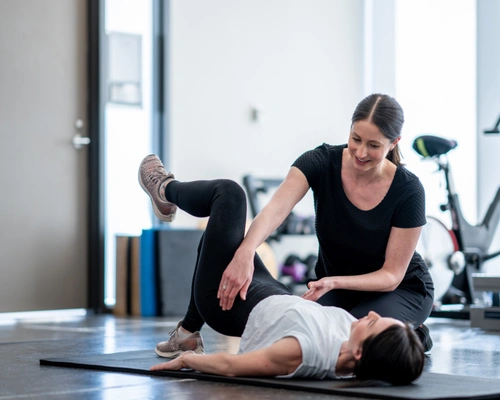
Pelvic floor physiotherapy helps improve the muscles that support the bladder, bowel, and pelvic organs. It can help with pelvic pain, bladder or bowel problems, pelvic pressure, and changes after pregnancy, childbirth, or surgery.
Treatment starts with an assessment to understand your symptoms and how your pelvic floor muscles are working. Your physiotherapist may use exercises, breathing techniques, movement training, education, and hands-on treatment when needed.
“Pelvic health care works best when treatment is guided by your symptoms, goals, and individual needs.”
Abbotsford Pelvic Health TeamOur treatment plans combine education, movement retraining, pelvic floor exercise, breathing strategies, and individualized rehabilitation to improve comfort, function, and confidence.
A detailed assessment helps identify pelvic floor muscle function, breathing patterns, movement strategies, and contributing factors so care can be tailored to your needs.

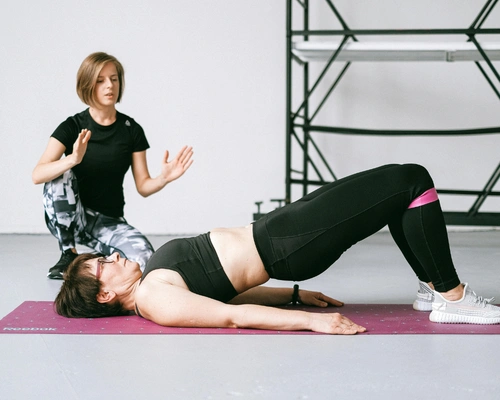
Individualized exercises may focus on pelvic floor coordination, relaxation, breathing, core control, strength, and functional movement according to your assessment.
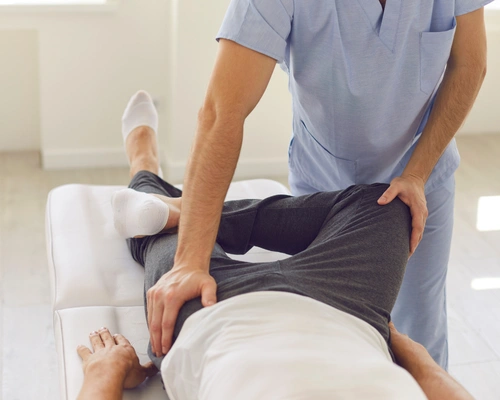
Progressive rehabilitation supports comfortable movement and everyday function for people experiencing pelvic floor weakness, tension, discomfort, or reduced confidence with activity.

Individualized rehabilitation can support recovery after childbirth or pelvic surgery, with gradual progression based on symptoms, healing, movement, and functional goals.

Breathing and pelvic floor coordination strategies can help improve muscle awareness, pressure management, relaxation, and control during everyday movement.

Practical education and self-management strategies can help you understand your symptoms, manage daily activities, and support long-term pelvic health.
Pelvic health symptoms can have different contributing factors. Our Abbotsford physiotherapists assess individual needs and may provide care for:






We are committed to providing respectful, individualized pelvic health care for our Fraser Valley community:

A transparent, structured path designed to help you understand your symptoms, build pelvic floor control, and progress toward comfortable everyday activity.

We discuss your symptoms and goals, assess relevant movement and muscle function, and identify factors that may be contributing to your concerns.
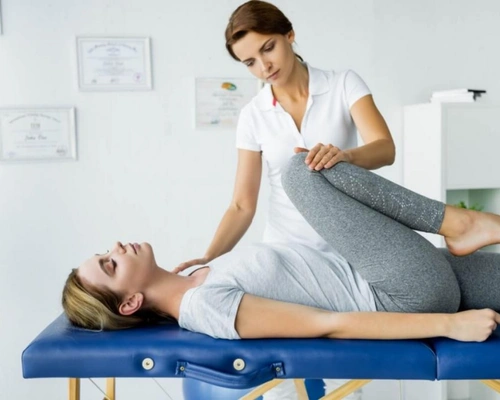
You receive a personalized plan based on your assessment, symptoms, lifestyle, and recovery goals, with clear next steps.

Care may include education, breathing strategies, pelvic floor exercises, movement retraining, and hands-on techniques when appropriate.
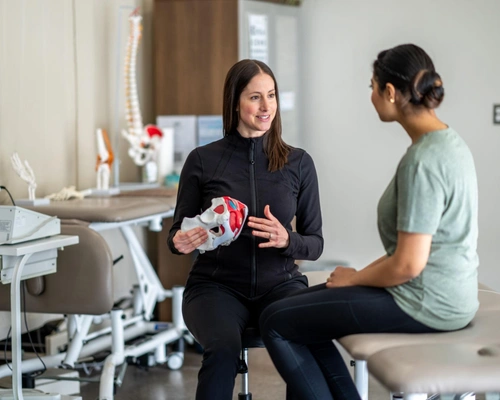
We provide practical home strategies and exercise guidance to support confidence, function, and long-term pelvic health.
Ask our team about available extended health coverage and direct billing options for pelvic floor physiotherapy. Coverage varies by individual plan.
Check Your CoverageHave questions before booking? Here are some common questions about pelvic floor physiotherapy and pelvic health care.
In British Columbia, you can generally consult a registered physiotherapist directly. However, some private extended health insurance policies may have their own requirements for reimbursement.
Coverage depends on your individual extended health plan. Our team can help you understand the billing process and what information you may need from your insurer.
Your appointment begins with a discussion of your symptoms, health history, goals, and concerns, followed by an individualized physical assessment. Your physiotherapist will explain the findings and recommend appropriate treatment options. Any assessment or treatment is discussed with you beforehand.
Wear comfortable clothing that allows you to move easily. Your physiotherapist will explain what is needed for any physical assessment and will prioritize your comfort and privacy throughout the appointment.
The number of sessions varies according to your symptoms, goals, progress, and response to treatment. Your physiotherapist will discuss an appropriate plan with you after the initial assessment.