
01
Hip Tendon Pain
Tendon irritation around the hip can cause pain or tenderness during walking, stairs, running, squatting, or other activities that place repeated stress on the area.
Hip pain can affect walking, stairs, exercise, sports, and everyday movement. Our Abbotsford physiotherapy team provides personalized care for hip strains, tendon problems, stiffness, weakness, and other movement-related concerns.

Hip pain can start after an injury, a change in activity, repetitive movement, sports, or gradually over time. Symptoms may include pain, stiffness, weakness, reduced mobility, or discomfort during activities such as walking, climbing stairs, sitting, or exercising.
At Abbotsford Physiotherapy, we assess your hip movement, strength, flexibility, muscle function, and overall lower-body mechanics. Your treatment plan is then based on your symptoms, daily activities, and recovery goals.
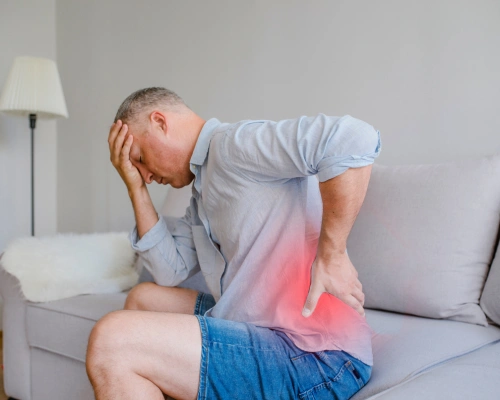
Hip pain can come from different injuries, activity changes, muscle or tendon problems, and movement patterns. A detailed assessment helps us understand your symptoms and choose the right rehabilitation approach.
Tendon irritation around the hip can cause pain or tenderness during walking, stairs, running, squatting, or other activities that place repeated stress on the area.
A hip muscle or tendon strain may occur after sports, sudden movements, increased training, or a rapid change in physical activity.
Reduced hip strength or control can affect walking, stairs, squatting, getting up from a chair, balance, and other everyday movements.
Repeated running, jumping, walking, lifting, or sports activity can place extra stress on the hip and may lead to ongoing pain or stiffness.
Hip pain or stiffness may make it harder to move comfortably, change positions, sit for long periods, walk, exercise, or sleep comfortably.
After appropriate hip surgery, structured physiotherapy can help restore mobility, strength, balance, and functional movement while following your surgical recommendations.
Depending on clinical suitability, our physiotherapists integrate hands-on and active rehabilitation techniques into your appointment.
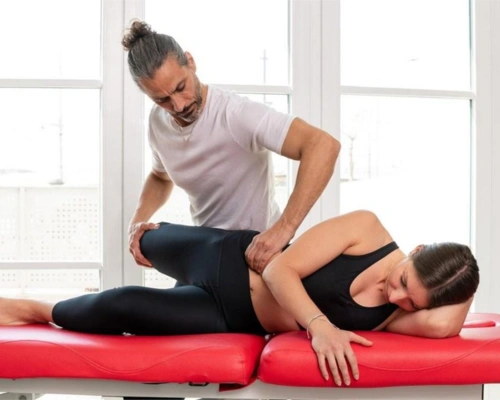
Gentle, graded hip joint movements used when appropriate to support mobility and comfortable movement.

Progressive exercises for the hip and hip blade muscles to improve strength, control, and tolerance for daily or sporting activities.

Controlled exercises focused on hip-blade coordination and efficient movement during reaching, lifting, and overhead activity.
We use a step-by-step approach to help you understand your condition, manage symptoms, and gradually return to the activities that matter to you.
We discuss your symptoms, medical and activity history, and recovery goals. We assess hip movement, strength, flexibility, muscle function, and movements that may reproduce your symptoms.
Depending on your condition, treatment may include hands-on care, mobility exercises, activity changes, and movement strategies to help manage symptoms and support early recovery.
As your symptoms improve, exercises are progressed to build hip strength, stability, balance, and tolerance for daily activities and physical loading.
We gradually work toward your normal activities, whether that means returning to work, walking, running, exercise, sports, or other physical demands.
Hip pain treatments at Abbotsford Physiotherapy are eligible for direct billing with most major private insurance plans, ICBC motor vehicle accident claims, and WorkSafeBC rehabilitation cases.
Here are some common questions about hip pain, physiotherapy assessment, treatment, and rehabilitation in Abbotsford.
Complete rest is not always needed. Depending on your symptoms, reducing activities that increase pain while continuing comfortable movement may help. Your physiotherapist can guide you on suitable activity levels.
Physiotherapy can help improve hip movement, strength, flexibility, and function. Treatment may include exercise, hands-on techniques, movement retraining, education, and gradual activity progression based on your needs.
Not every hip problem requires imaging. A physiotherapy assessment can help identify movement and functional problems and determine whether further medical assessment or imaging may be appropriate.
Yes. If your hip symptoms developed after a motor vehicle accident, our physiotherapy team can assess your condition and discuss rehabilitation options and applicable ICBC coverage.
Recovery time depends on the cause of the pain, severity of the problem, activity level, and how your symptoms respond to treatment. Your rehabilitation plan can be adjusted as your strength and movement improve.
The right exercises depend on your condition and goals. Your program may include hip mobility exercises, strengthening, balance work, movement control, progressive loading, and exercises designed to help you return to work or sport.
Personalized physiotherapy and rehabilitation focused on helping you move with greater comfort, confidence, and function.
Book Your Hip Assessment Now →