
01
Vertigo & Spinning Sensations
Episodes of spinning or motion-related dizziness that may affect confidence with standing, walking, or changing positions.
When dizziness or vertigo keeps coming back, even simple movements can become frustrating and difficult to manage. At Abbotsford Physiotherapy, we take a focused look at your symptoms and movement patterns to develop personalized treatment aimed at improving balance, reducing dizziness, and helping you feel more secure in everyday movement.

Dizziness can interfere with everyday things like getting out of bed, looking up or down, turning your head, walking through busy spaces, or moving quickly from one position to another. For some people, the problem is a spinning sensation; for others, it feels more like being unsteady or unsure on their feet.
At Abbotsford Physiotherapy, we look at how your symptoms respond to movement, position changes, balance tasks, and everyday activity. This helps us choose appropriate physiotherapy strategies to work on the specific movement and balance difficulties you are experiencing.

Dizziness and balance symptoms can present in different ways. Our assessment helps identify the functional factors contributing to symptoms and directs targeted rehabilitation.
Episodes of spinning or motion-related dizziness that may affect confidence with standing, walking, or changing positions.
Dizziness triggered by movements such as rolling in bed, looking up, bending, or changing head position.
Feeling unsteady, veering while walking, or having difficulty maintaining balance during everyday activities.
Symptoms that increase in visually busy environments, during head movement, or with changes in visual focus.
Difficulty walking confidently, turning, changing direction, or managing uneven surfaces because of reduced balance.
Rehabilitation following vestibular symptoms or other balance-related concerns, with exercises progressed according to clinical findings.
Targeted therapies for balance and vestibular recovery.
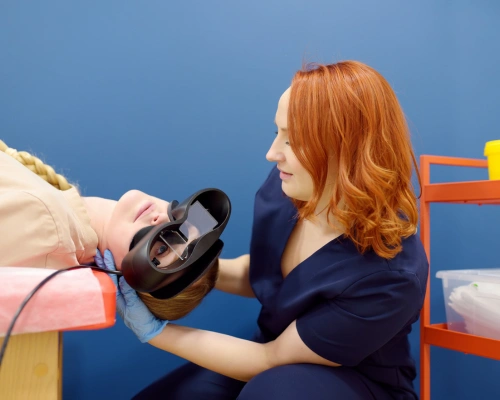
Assessment of dizziness, balance, eye-head coordination, and movement responses to help determine the right rehabilitation approach.

Progressive exercises to improve steadiness, walking confidence, lower-limb control, and balance during everyday activities.

Gaze Stabilization
A transparent, stepwise progression so you understand each phase of rehabilitation and what to work on between clinical visits.
We review your symptoms and history, screen relevant neurological and vestibular features, and assess balance, gait, and movement responses.
We use appropriate education, positioning, movement strategies, and targeted exercises to help manage dizziness and improve confidence with activity.
Progressive balance, coordination, gaze, and lower-limb exercises to improve stability during standing and walking.
Functional practice, home exercises, and strategies for busy environments, turning, uneven surfaces, and return to valued activities.
Vertigo and balance rehabilitation at Abbotsford Physiotherapy may be eligible for direct billing with most major private insurance plans, ICBC motor vehicle accident claims, and WorkSafeBC rehabilitation cases.
Clear, practical answers about assessment, treatment, and rehabilitation for dizziness, vertigo, and balance problems.
Complete avoidance of movement is not always helpful. Depending on the cause and your clinical findings, gradual, guided movement and balance exercises may help improve confidence and function.
Physiotherapy can assess balance and movement responses and, when appropriate, use vestibular exercises, gaze stabilization, balance training, and functional rehabilitation to address identified impairments.
Not necessarily. Your physiotherapist can begin with a clinical assessment and determine whether further medical assessment or testing is appropriate based on your symptoms and screening findings.
If dizziness or balance problems began after an injury, a physiotherapy assessment can help identify movement and balance impairments and determine an appropriate rehabilitation plan. Coverage depends on the specific claim and eligibility.
The number of sessions varies with the cause, severity, duration, and response to rehabilitation. Your physiotherapist can review progress and adjust the plan over time.
Exercises may include gaze stabilization, balance activities, gait practice, lower-limb strengthening, and functional movement drills when clinically appropriate.
Book an assessment with our Abbotsford physiotherapy team today. We will help you understand your symptoms and build a clear, evidence-informed rehabilitation plan.
Book Your Assessment Now →